How do you mass produce biochar?
The large-scale production of biochar is a complex and challenging process. The key lies in improving production efficiency, optimizing the production process, and achieving industrialization. This involves many aspects of technological innovation and process optimization, including the selection of biomass, the improvement of the carbonization process, the use of catalysts, and the independent research and development of production equipment. This article will explore in depth how to achieve efficient biochar production through these key steps and strategies, and introduce Hengju Machinery's advanced equipment and advantages in this field.
Key steps and strategies:
1. Select suitable biomass raw materials:
In theory, all biomass can be used as materials for preparing biochar, but in practice, agricultural and forestry wastes such as straw and sawdust are more ideal raw materials because they are widely available and low in cost.
2. Carbonization process optimization
Through theoretical analysis, simulation calculations and experimental research, the carbonization process of biomass is continuously optimized, including the selection and use of catalysts, the heat transfer method of biomass in the furnace, etc., to shorten the carbonization time and improve production efficiency.
3. Advanced production equipment
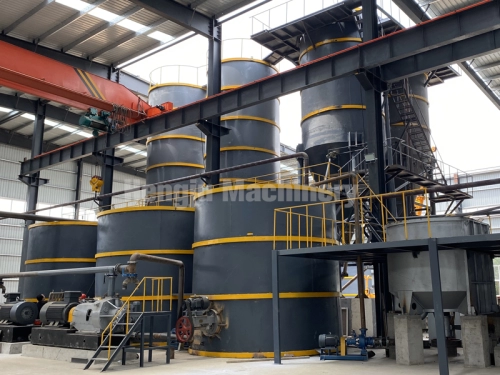
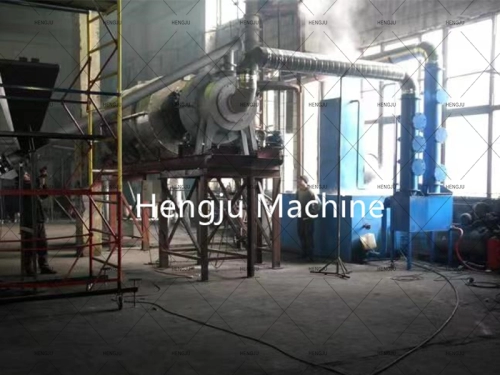
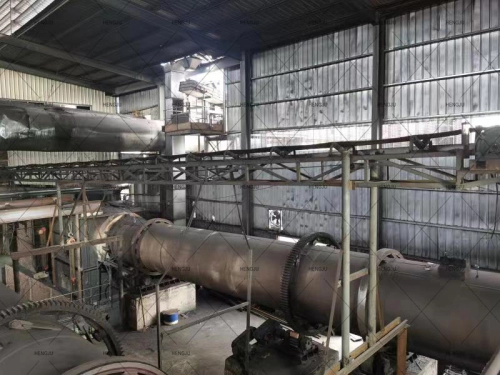
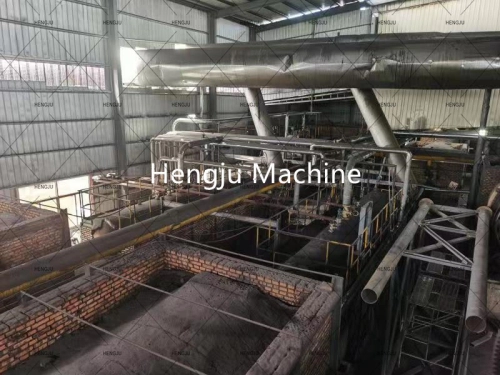
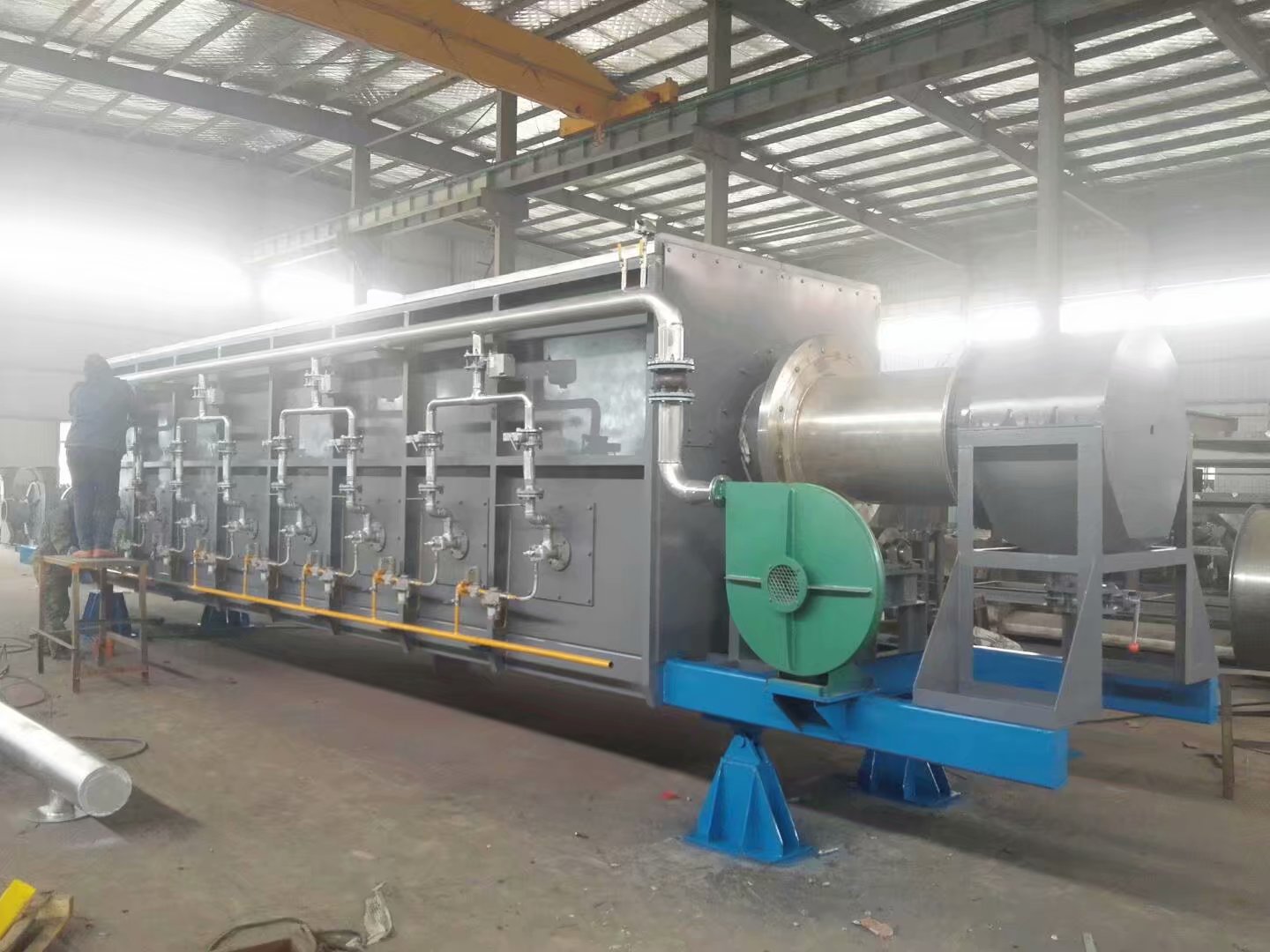
Hengju Machinery Continuous Rotary Biochar Furnace
Made of high temperature resistant stainless steel, the highest temperature can reach 1000 degrees
Continuous production, improve efficiency
Precise temperature control system to ensure stable product quality
Gas emission treatment system, in line with international environmental standards
4. Energy consumption reduction and environmental protection
1. Innovative production process
l Self-generated combustible gas circulation combustion heating process to reduce energy consumption
l Biomass carbonization, distillation, gasification multi-generation process to improve resource utilization
2. Goal: to achieve green production with low energy consumption, low emissions or even zero emissions
5. Industrialization technology research
Solve technical problems in large-scale production, such as uneven heat transfer of biomass, optimization of catalyst distribution, etc.
Develop automated control systems to improve production stability and controllability
Ensure quality consistency and efficiency of large-scale production
By implementing these strategies and combining Hengju Machinery's advanced equipment, we can achieve efficient large-scale production and industrialization of biochar. Choosing Hengju Machinery's biochar equipment will give you:
lHigh-efficiency continuous production
lHigh-quality and stable biochar output
lEnvironmentally friendly production process
lLow energy consumption, high-performance operation
lComprehensive technical support and customized solutions
For more information about biochar production equipment or customized solutions, please contact Henan Hengju Machinery Equipment Co., Ltd. We are committed to providing you with the most advanced biochar production technology and equipment to help you succeed in this rapidly growing industry while contributing to environmental protection and sustainable development.
Copyright: Copyright belongs to Hengju Machinery! Reprint please indicate the source: https://www.hengjumachinery.com/industry-news/how-do-you-mass-produce-biochar.html
Needs Help? Let’s Get in Touch